Before the Garden
Long before there was a Keeper, a Codex, or sixteen Quests, I was a boy who learned to meet the world through movement.
I changed schools eight times while growing up. Athletic ability became the way I broke the ice, found connection, and proved that I belonged. I trained alone as a teenager and learned discipline inside a demanding home where shortcuts and half effort were not accepted.
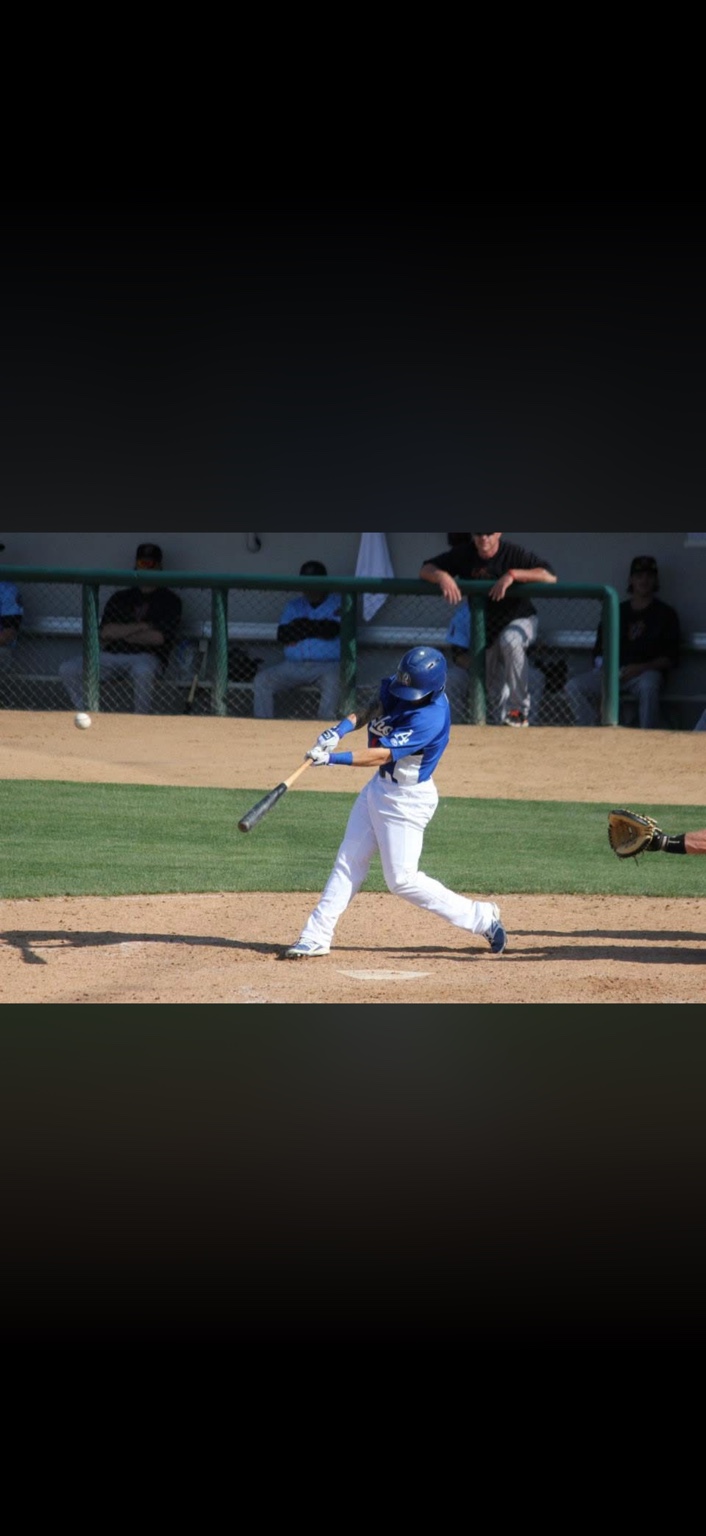
That discipline eventually carried me into professional baseball. I played seven years across the Milwaukee Brewers, Los Angeles Dodgers, and San Francisco Giants organizations. During my off-seasons, I trained alongside world-class, record-holding, and Olympic gold-medal sprinters.
For most of that life, performance meant one thing: relentless pursuit. Pain, exhaustion, distraction, and uncertainty were suppressed because reaching the top mattered more than anything else.
“All I had ever known was a sprint. If I crossed the finish line with something left, I believed I had not given enough.”
When effort stopped being enough
A professional season demanded a pace I had never encountered. My mind continued to insist. My body began to keep a different account.
I became a relentless experimenter with recovery, nutrition, supplements, herbs, devices, and protocols. If something could support performance and remain within the rules of professional baseball, I wanted to understand it through direct experience.
Over time, the manufactured products began disappearing from my locker. The herbs remained. Shilajit, jiaogulan, rhodiola, mushrooms, roots, minerals, and other natural Allies repeatedly earned their place alongside real food, sleep, movement, and recovery.
This was not laboratory mastery or a promise that one substance could solve a life. It was the beginning of my relationship with nature as a participant rather than a consumer.
The pursuit becomes a farm
In 2016, an outfield collision and torn oblique created an unfamiliar stretch of stillness. During recovery, my attention began drifting away from the field. Videos and articles about permaculture, agroforestry, soil, livestock, mushrooms, and off-grid systems replaced the thoughts that baseball had once occupied.
The desire became impossible to ignore. I retired and eventually found my way to Sandy Valley, Nevada, where I began building a small farm from the ground up.
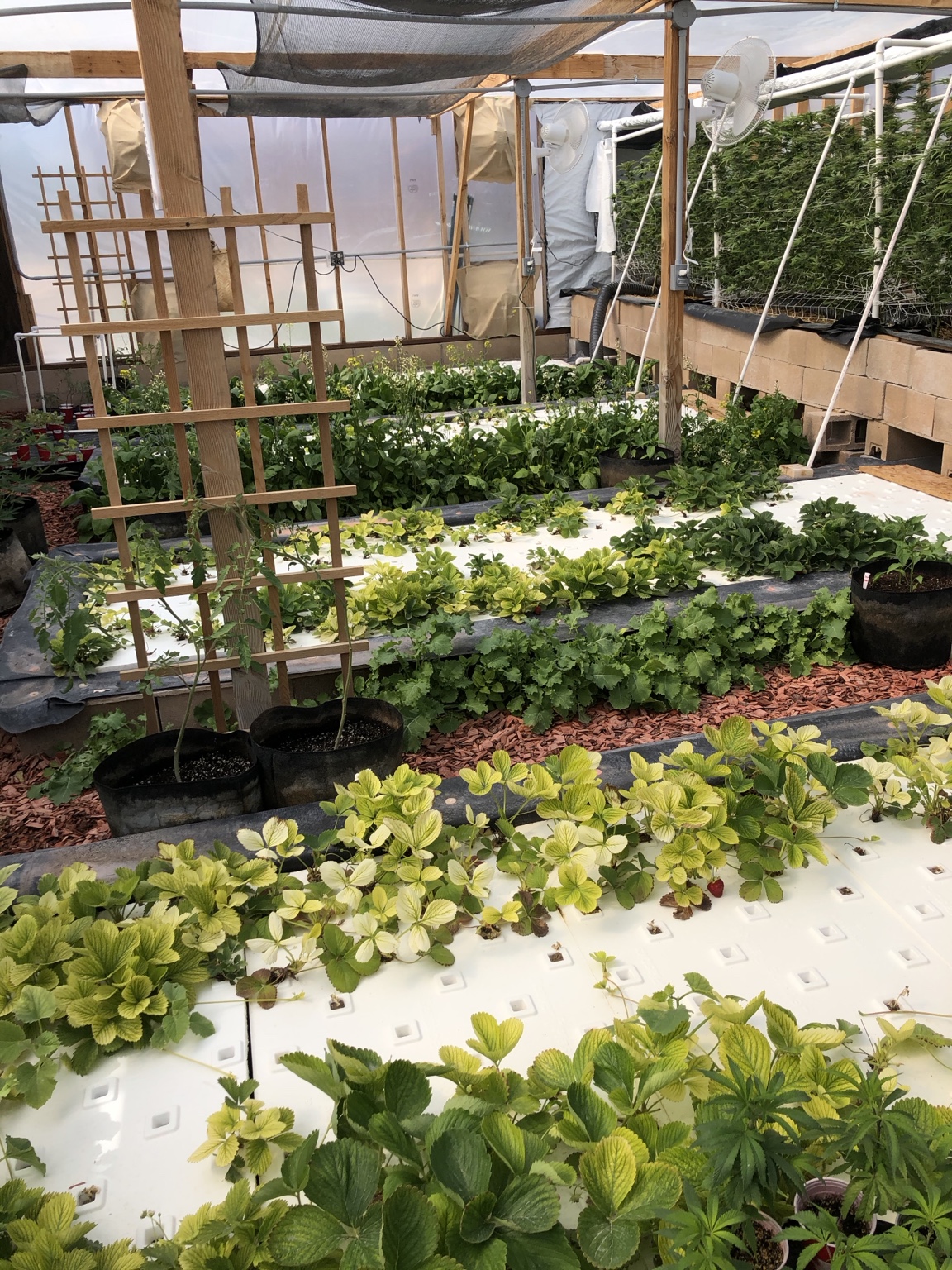
It was not a simple garden. It held an aquaponics system, mushrooms, greenhouses, chickens, ducks, koi, outdoor gardens, protected grows, ponds, compost, soil building, permaculture, and regenerative farming experiments. Its complexity made it feel alive.
Farming changed the meaning of performance. Strength was no longer something to extract from the body until nothing remained. It became the capacity to build, tend, observe, protect, recover, and return tomorrow.
One memory remains above the rest: chopping wood as the sun lowered, a fire burning nearby, the animals moving through their evening routines, and no need to be anywhere except inside that moment.
What remained after the fire
I eventually lost the farm during a long fight to remain present in my children's lives. Their identities and private experiences remain outside this story. What matters here is that the loss removed more than land.
It ended my daily relationships with the ducks, chickens, koi, soil, fire, and physical work that had given life rhythm. I returned to Las Vegas and began driving fourteen to sixteen hours a day to meet legal expenses and the basic cost of survival.
My body changed. Muscle, coordination, vigor, and physical confidence faded through disuse. Days narrowed into sleeping, driving, and sometimes eating. Yet behind the monotony, the farm continued.
Properties were studied. New growing methods were collected. Mountain towns, greenhouses, ponds, animals, and fires were imagined in exacting detail. The dream did not disappear. It went underground.
“The Performance Garden became a way not to let go of the life I still knew was possible.”
The Keeper at the gate
The book could have become a conventional herbal manual. That would have preserved the ingredients and lost the feeling.
I wanted the reader to experience what a dense farm or greenhouse can awaken: cool air, living color, complex fragrance, lowered defenses, sharpened senses, and a strange certainty that something unseen belongs there with you.
Somewhere between memory and imagination, I gave that presence a name: Rorric Ashveil.
Ash is what remains when fire clears what can no longer continue. The veil is the boundary between the obvious world and the deeper one that curiosity allows us to enter. Rorric stands there as protector, witness, and Keeper.
He carries some of my strength, discipline, scars, fatherhood, physicality, and responsibility. He also carries the steadiness I am still growing toward. Rorric gives the Garden a voice that can remain when I step away.
Rorric carries the story. I carry the lived experience beneath it.
Why the Garden is necessary
Modern performance is often measured by how much depletion a person can survive. Wake early. Work to exhaustion. Remain fit. Earn more. Provide. Protect. Stay social. Keep producing. Repeat.
The Performance Garden offers another definition. Performance is the ability to remain present, capable, and fulfilled inside the life you are working so hard to build.
It does not ask anyone to reject appropriate care or promise a predetermined transformation. It asks for something more fundamental: participation in one's own survival.
The Garden returns what is planted and tended. What that abundance becomes belongs to the person willing to enter.